Indiana deer season 2026-27 and the rifles that are legal
Indiana runs one statewide deer season structure rather than a map of units, which makes planning simple: learn the dates, learn the equipment rules, then worry about your county's antlerless bag limit. The Department of Natural Resources publishes the season sheet each spring for the following April-to-March licence year, and the 2026-27 dates are set.
The 2026-27 dates
- Youth season: September 26 and 27, 2026. Youth hunters must be accompanied by a licensed adult at all times.
- Archery: October 1, 2026 to January 3, 2027, using long bow, compound, recurve or crossbow.
- Firearms: November 14 to 29, 2026. Sixteen days across the back end of the rut.
- Muzzleloader: December 5 to 20, 2026, muzzleloaders only.
- Deer reduction zone: September 15, 2026 to January 31, 2027, in designated locations only, with archery through the whole period and firearms from the opening day of the firearms season through January 31 where local ordinances allow.
Hunting hours run from half an hour before sunrise to half an hour after sunset. Hunter orange is required from the start of the firearms season through the end of archery season, and until January 31 inside a deer reduction zone.
Legal rifles
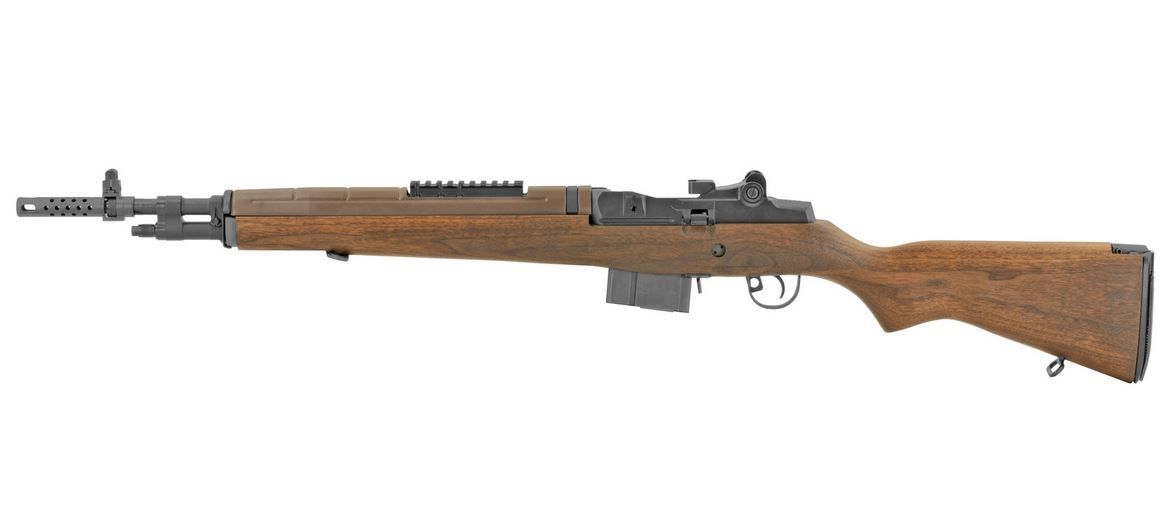
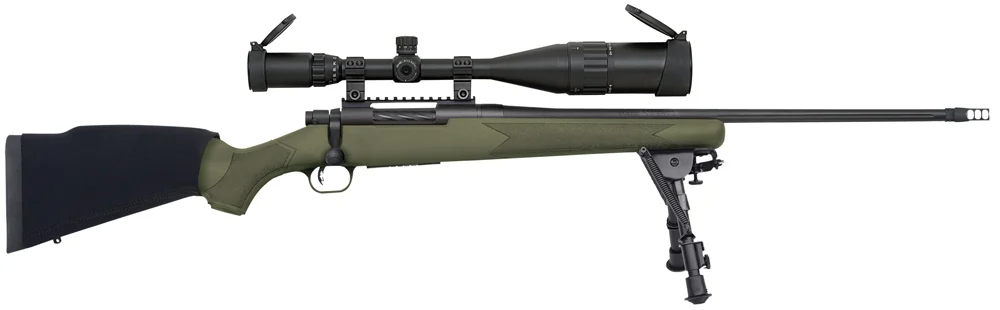
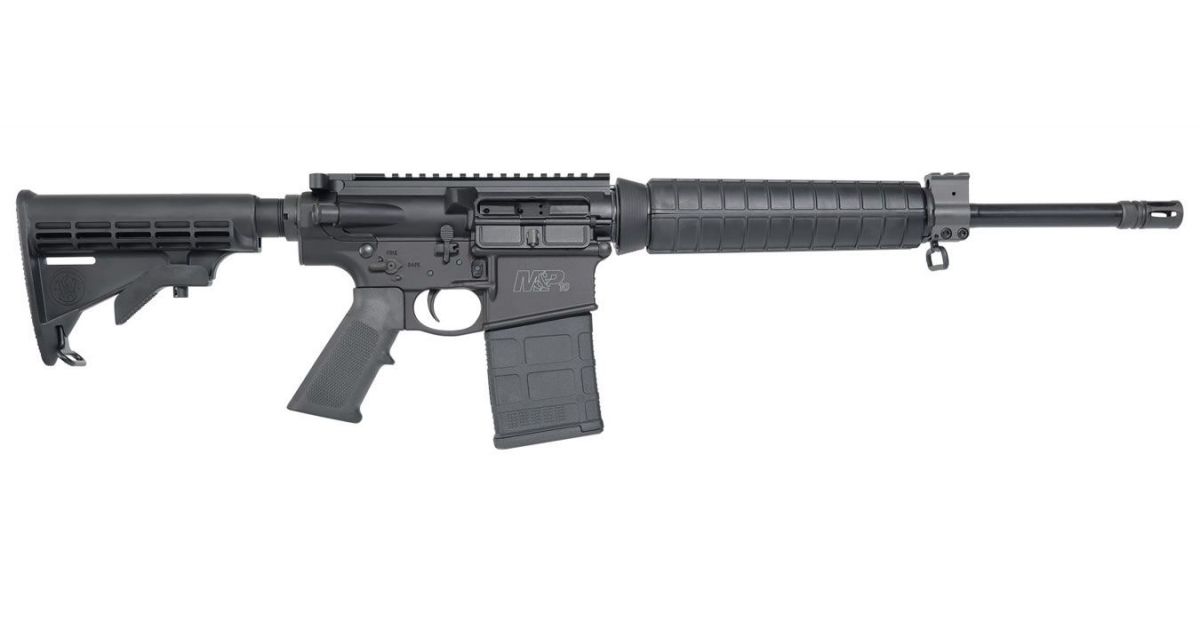
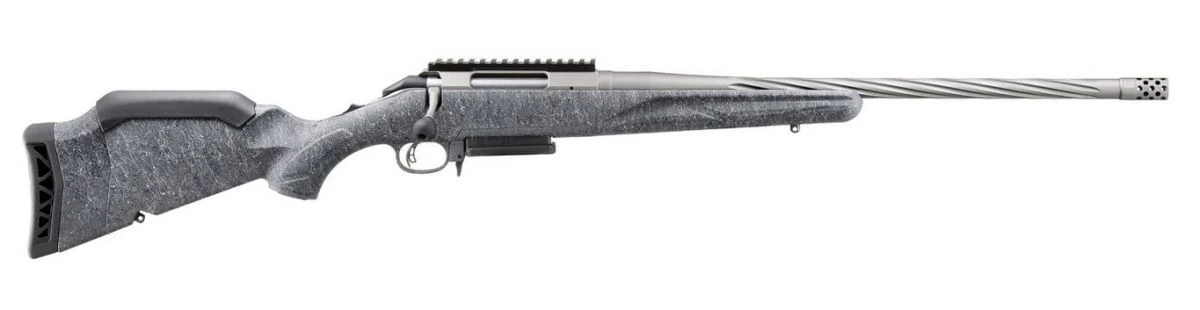
This is the part that changed and still confuses people. Indiana once drew a sharp line between rifles on private land and rifles on public land, built around cartridge case length. The Department of Natural Resources equipment page now lists centerfire rifles as legal on both public and private land, with one straightforward specification: a bullet diameter of at least .219 inch, or 5.56 millimetres. Full metal jacketed bullets are not legal for deer, and you may carry no more than ten of each cartridge type at a time.
That opens the door to nearly every common deer cartridge. In practical terms the Indiana rack looks like this:
- .243 Winchester: light recoil, flat enough for a cut bean field, a good first deer rifle for a young hunter.
- 6.5 Creedmoor: the current default. Mild recoil, excellent bullets, easy to find at any counter in the state.
- .270 Winchester and .30-06 Springfield: the rifles your grandfather carried and still the most useful pair in the safe.
- .308 Winchester: short action, cheap practice ammunition, works in bolt guns and semi-autos alike.
- .350 Legend and .450 Bushmaster: straight-wall cartridges that came out of the Midwest slug-gun tradition. Hard hitting inside 200 yards and pleasant to shoot in a light carbine.
- .45-70 and .44 Magnum lever guns: quick, short and perfect for the timber along the White River or the Hoosier National Forest ridges.
Handguns, shotguns and muzzleloaders
A handgun used for deer must have a barrel of at least four inches and fire a cartridge that meets the state's minimum bullet diameter and a case length of at least 1.16 inches, with 10mm Auto and .40 Smith and Wesson specifically allowed. The .25-20 Winchester, .32-20 Winchester, .30 Carbine and .38 Special are named as not legal. Because the published minimum diameter figure has appeared two ways in different summaries, check the Department of Natural Resources equipment page for the exact number before you buy a handgun purely for deer.
Shotguns may be 10, 12, 16, 20 or 28 gauge or .410, firing slugs or saboted bullets only. Combination rifle-shotguns are allowed. Muzzleloading rifles and shotguns need a barrel of at least .40 inch firing a bullet of at least .357 inch; muzzleloading handguns need a 12 inch barrel, .50 calibre bore and .44 inch bullet, and black powder revolvers may not be used for deer. Air guns must be at least .40 calibre and produce at least 400 foot-pounds of energy at a minimum of 300 feet per second.
Where to hunt
Indiana is mostly private ground, but the public options are better than their reputation. The Hoosier National Forest, Morgan-Monroe and Yellowwood state forests and the Monroe Lake properties put a big block of ridge-and-hollow timber within an hour of Bloomington and Columbus. Kingsbury and Jasper-Pulaski cover the northwest, Atterbury sits an hour south of Indianapolis, and the reservoir properties at Roush, Mississinewa and Brookville hold deer in the flatter country. Several of those same properties run the public shooting ranges listed on our city pages, which makes a sight-in trip easy.
Sighting in and optics
In Indiana, most shots come between 60 and 200 yards, over a cut field edge or down a logging road. A 3-9x40 or 2.5-10x42 scope covers everything you will do here, and a two-inch high zero at 100 yards keeps you on hair out to 225 with the common cartridges. Sight in before the second week of November, not on opening morning. Department of Natural Resources ranges fill up the weekend before the firearms opener, and several of them close for weather or renovation, so call the property first.
Licences and tags
Deer licences and county antlerless quotas are handled through the state's outdoor licensing system, and the quota changes county by county each year. Check your county's antlerless bag limit and any property-specific rule before you go, because an Atterbury or Kingsbury rule can differ from the statewide one.
Getting ready
Read our Indiana gun laws guide for the purchase side and the bird gun guide if you also chase pheasant and ducks. Rifles, slug guns, optics and ammunition are in the catalog, and every firearm ships to the Indiana dealer you pick. Hunting near the capital, start with our Indianapolis page.
General information, not legal advice. Current as of September 2026. Laws change; check the official source before you act.