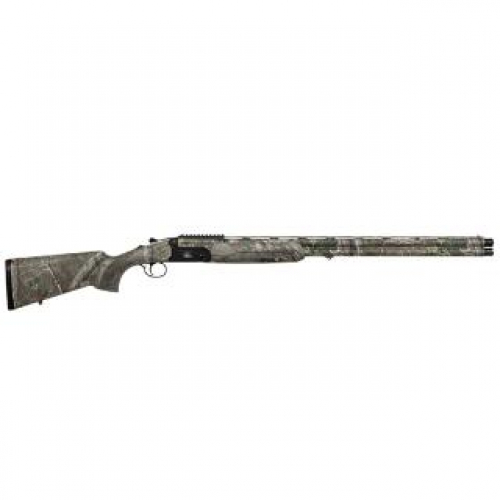
Indiana dove, pheasant and waterfowl shotguns
Indiana bird hunting starts with doves over a cut field on the first of September and ends with a late goose season in the middle of February. In between there are put-and-take pheasants on six state properties, wild quail in the south, rabbits and squirrels for anyone with a 20 gauge, and three separate duck zones that open on three different dates. One shotgun can cover all of it, but knowing the calendar helps you pick the right one.
The 2026-27 upland dates
- Gray and fox squirrel: August 15, 2026 to January 31, 2027, five a day.
- Pheasant, statewide, cock only: November 1 to December 15, 2026, two a day.
- Quail north of Interstate 74: November 1 to December 15, 2026, four a day.
- Quail south of Interstate 74: November 1, 2026 to January 10, 2027, eight a day.
- Rabbit: November 1, 2026 to February 28, 2027, five a day.
- Ruffed grouse: suspended.
Bag limits on some Department of Natural Resources properties differ from the statewide numbers, so read the property rules before you walk in.
Put-and-take pheasant
The state stocks birds for reserved hunts that begin each year on the Saturday before Thanksgiving and run nine straight days. For 2026 that is November 21 through November 29 at Atterbury, Glendale, J.E. Roush Lake, Pigeon River, Tri-County and Winamac fish and wildlife areas. Reservations are sold first come, first served for a specific date, property and field, at a $30 fee plus a $1 technology fee, and they are transferable but not refundable. Sales opened in phases through September and close when the reservations sell out.
Doves and the other migratory birds
- Mourning dove: September 1 to October 18, November 1 to 29 and December 19 to 31, 2026, fifteen a day in aggregate with white-winged doves.
- Snipe: September 1 to December 16, 2026, eight a day.
- Woodcock: October 15 to November 28, 2026, three a day.
- Sora rail: September 1 to November 9, 2026, twenty-five a day.
Migratory bird hunting hours run sunrise to sunset.
The three duck zones
Indiana splits waterfowl into North, Central and South zones, and the boundaries follow highways rather than county lines, so check the map if you live near one. The 2026-27 duck, coot and merganser dates:
- Early teal, statewide: September 5 to 13, 2026, six a day.
- North zone: October 24 to December 13 and December 19 to 27, 2026.
- Central zone: October 31 to November 8 and November 21, 2026 to January 10, 2027.
- South zone: November 7 and 8 and November 28, 2026 to January 24, 2027.
Canada geese, light geese and brant run in three splits in every zone, starting in early September and ending February 14, 2027. The daily duck limit is six, with sub-limits on mallards, wood ducks, pintail, canvasbacks, redheads, black ducks and scaup, and the scaup limit changes partway through the season in each zone. Youth and veteran days fall a week or two before the regular openers.
Non-toxic shot and the plug
Non-toxic shot is required for migratory waterfowl. Steel, bismuth-tin, tungsten-based compounds and copper-clad iron are all on the approved list. A shotgun that can hold more than three shells must be plugged with a one-piece filler that cannot be removed without taking the gun apart. Both rules are checked in the field, and both are easy to get wrong with a borrowed gun, so plug it at home.
Picking the shotgun
For doves in September, a light 12 or 20 gauge with an improved cylinder choke and a box of 7.5s does everything. Autoloaders soften the recoil on a good afternoon when you shoot four boxes, and an over-under swings beautifully and never jams. A Beretta A300, Browning Silver, Remington 1100 or Mossberg 940 all land in the same useful spot.
For the put-and-take pheasant hunts and wild quail in the south, a 12 or 20 gauge with modified and improved cylinder, shooting 5s or 6s, is the classic answer. A 20 gauge over-under or a light semi-auto is easier to carry all day than a heavy waterfowl gun.
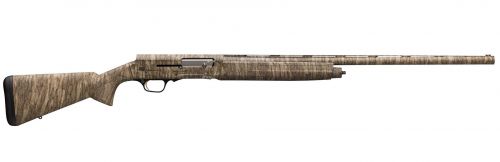
For ducks and geese, you want a three-inch 12 gauge semi-auto that runs when it is wet and cold, in a finish that tolerates mud. Steel 2s and 3s for ducks over decoys, BB or larger for geese, and open the choke more than you think, because steel patterns tighter than lead. A 3.5-inch chamber is genuinely useful for late-season geese over a cut cornfield and mostly unnecessary otherwise. A pump gun costs less and freezes less.
Chokes, loads and patterning
Most missed birds in Indiana are missed with the wrong choke rather than the wrong gun. Doves over a September field come inside 30 yards and reward improved cylinder or skeet; a full choke turns an easy bird into a hard one. Stocked pheasants flush close and then leave in a hurry, so improved cylinder in the first barrel and modified in the second covers the whole flush. Ducks over decoys want improved cylinder or modified with steel, while pass shooting geese wants modified at most, because steel shot already patterns a full choke tighter than lead ever did.
Pattern the gun before the season rather than after a bad morning. A sheet of butcher paper at 30 and 40 yards at one of the Department of Natural Resources shotgun ranges tells you in ten shells what a season of guessing will not. Bring the loads you actually hunt with, because a bismuth load and a steel load of the same shot size can print two very different patterns out of the same tube.
Licences and safety
Every bird hunter needs the appropriate Department of Natural Resources hunting licence, and waterfowl hunters also need the federal duck stamp and the state's migratory bird requirements. Hunter education rules apply to newer hunters. Check the current licence package through the state's outdoor licensing system before opening day, and read the property rules for any fish and wildlife area you plan to hunt, since bag limits and shooting hours can differ from the statewide numbers.
Where to go
The Kankakee country in the northwest, the Wabash and Ohio River bottoms in the south, and the reservoir properties in the middle carry most of Indiana's public waterfowl hunting. Willow Slough, Jasper-Pulaski, Kingsbury, Glendale, Sugar Ridge and the Roush and Brookville properties are the names to learn, and several of them also run public shotgun ranges for pattern work. Our city index lists the nearest property for each city.
Getting ready
Shotguns, chokes, steel and bismuth loads and blind gear are in the catalog, and every shotgun ships to the Indiana dealer you pick. If deer season overlaps your plans, read the deer season guide, and for the purchase and carry rules see our Indiana gun laws guide.
General information, not legal advice. Current as of September 2026. Laws change; check the official source before you act.